
Why Gardens?
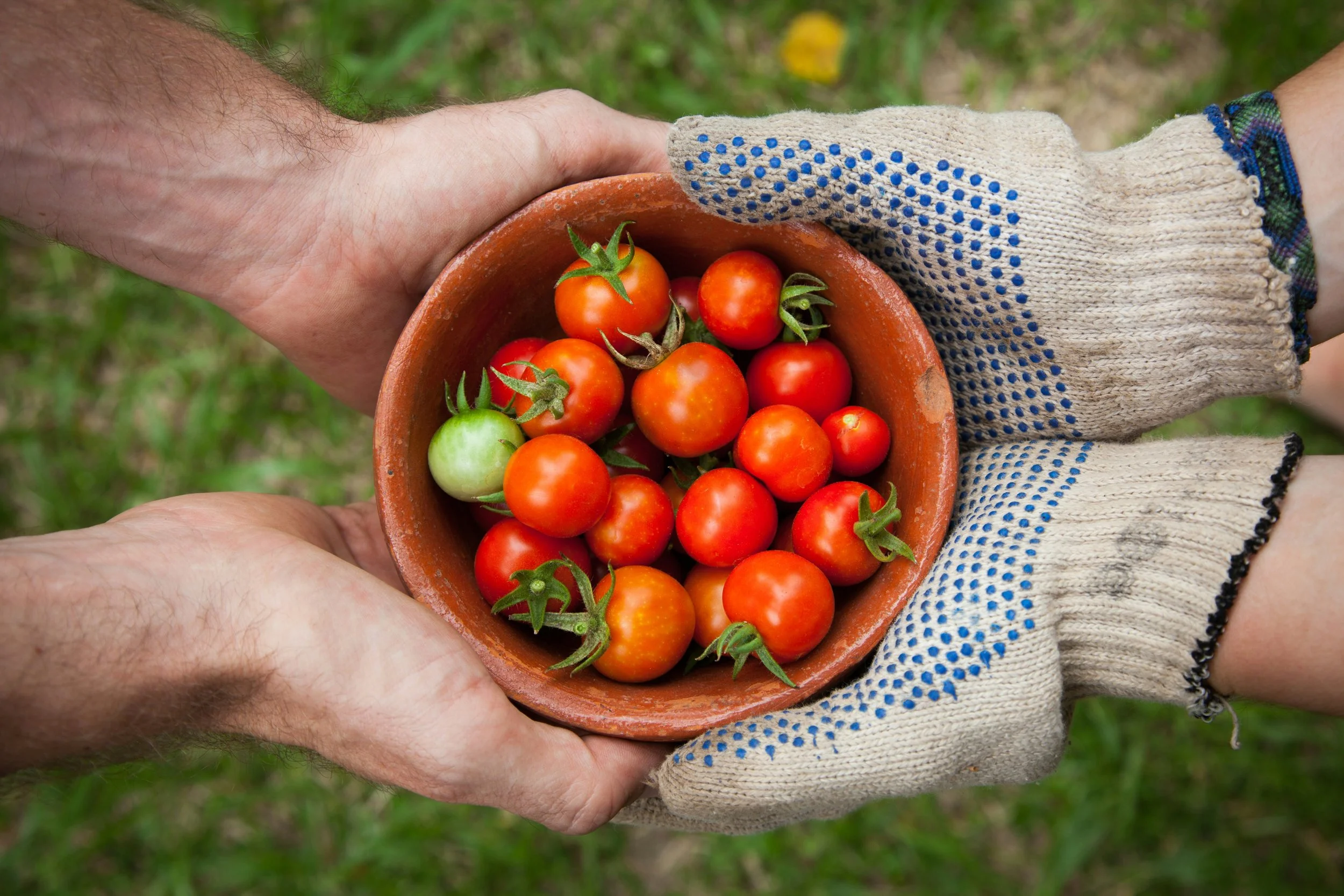
We have lost something fundamental. Not suddenly, and not by accident, but slowly, deliberately, over centuries of being moved off land, into cities, into systems that feed us but do not nourish us. We forgot that growing food together is one of the most basic human acts there is. And in forgetting, we became dependent on supply chains, on food banks, on structures we have no hand in and no power over. A garden is a small act of reclaiming what should never have been taken.
This past semester I spent a lot of time in the history of Latin America, and what I kept coming back to, over and over, was land. When Spanish and Portuguese colonizers arrived, they were not looking to settle and build. They were looking to extract. Gold, silver, sugar, land. Wealth was concentrated in the hands of a small European elite and shipped back across the ocean, while Indigenous peoples were dispossessed of the land they had always farmed and fed themselves from.
When independence movements began in the early 19th century, they were led largely by Creoles, Europeans born in the Americas, who wanted freedom from colonial rule but had no intention of redistributing land. They won their sovereignty. Indigenous peoples and enslaved Africans were still waiting for theirs. In Colombia, enslaved Africans had been fighting for land and self-governance long before independence was even a conversation among elites, establishing their own free communities, their own laws, their own food systems. Freedom and land were never separate questions.
But it was Father José María Morelos in Mexico who made the connection most plainly. Leading the insurgency against Spanish colonial rule, Morelos decreed the return of stolen Indigenous lands back to Indigenous communities. Not as a gesture. As a foundation. His argument was straightforward: you cannot dismantle a colonial caste system while leaving the people at the bottom of it landless. Self-sustainability was not a side effect of freedom. It was the prerequisite for it. A people who cannot feed themselves are not yet free.
Sovereignty without land access is incomplete. That was true in 19th century Latin America and it is true everywhere people have been separated from the means to feed themselves. When we lose the ability to grow food, to sustain ourselves, to feed our neighbours, we lose the foundation of real independence. A garden is not a hobby. It is a reclamation. And that is why a small plot behind a food bank in Bayfield, Ontario is not a small thing.
I was sitting in a lecture working through these histories when something shifted for me. We had been reading about these movements, people fighting, dying, organizing across generations for the right to control land, to grow food, to sustain their own communities. And I found myself asking out loud: what does sovereignty look like for us? If access to land is what all of these people were fighting for, am I sovereign? Are we?
I knew the answer. I think I had always known it. But that night it landed differently. Most of us in Canada cannot grow enough food to feed ourselves. Most of us have no land to grow it on. We have a flag, a constitution, a national identity built on the idea of freedom, and we still line up at food banks. We are not so far from what Morelos was fighting against as we like to believe.
Food should not be political. It is the most basic human act. You grow it, you share it, you eat it together. And yet here we are.
Somewhere along the way food became a commodity. Not nourishment, a product. Something to be owned, controlled, traded, and profited from. Corporate supply chains replaced local growing. Shareholders replaced farmers. Policies were written not to guarantee that every person had access to healthy food but to protect the interests of those profiting from it. We built food banks to manage the failure of a system that was never designed to feed everyone, only to profit from those who could pay.
And now we have arrived at surveillance pricing, where AI algorithms use your personal data to determine what you are willing to pay for a dozen eggs. Not one price for everyone. Your price, based on what the algorithm thinks it can extract from you. Food, the most fundamental human necessity, is now a tool for data-driven profit extraction. Morelos would recognize this logic. It is the same logic he was fighting.
We had a moment during the First and Second World Wars when we remembered something important. Governments called on ordinary people to dig up their lawns and grow food, victory gardens, they called them. Not because it was quaint. Because food security is national security. Because a people who can feed themselves cannot be held hostage. We knew it then. We forgot it again. But here is what those gardens proved: it is not hard. Ordinary people, ordinary yards, ordinary communities, and suddenly neighbourhoods were feeding themselves. We did not need a crisis to justify it then, and we do not need one now. A community garden is not a response to emergency. It is a choice to never get there.
The garden behind the food bank in Bayfield is not a grand gesture. It is an invitation. To come and put your hands in the soil. To grow something. To share it. To remember that this is something we know how to do, that it was taken from us not so long ago, and that we can take it back.
We are building community through the land, through our connection to what we feed our bodies. That is not a small thing. In a world where the price of your groceries is set by an algorithm, where policies fail to guarantee anyone the right to eat well, where we have outsourced the most fundamental human act to corporations and supply chains, choosing to grow food together is a radical act of sovereignty.
I sat in a lecture not long ago and asked out loud: am I sovereign? If sovereignty requires access to land, to the ability to sustain yourself and your community, then what are we? It rattled me. Because I knew the answer and I didn't want to.
A garden will not fix everything. It will not dismantle the systems that made food political in the first place. But it is a beginning. It is a reclamation of something we lost in just a couple of short generations, within living memory, within reach. Our grandparents knew how to do this. We are not starting from scratch. We are remembering.
And you are welcome to remember with us.